

A new study reveals that microbial ecosystems may be shaped less by fast-growing opportunists than by slow-growing organisms adapted to survive and persist.
Reporting by Helen Hill for CBIOMES News
Microbes are often associated with rapid growth. Laboratory studies frequently focus on organisms that can reproduce quickly when resources are abundant, creating the impression that fast growth is the key to microbial success. But a new study by Ashley N. Bulseco, Wenzhuo Yang, Julie A. Huber, and CBIOMES’ Joseph J. Vallino suggests that nature may reward a very different strategy. Their results indicate that natural microbial communities may be dominated not by fast-growing bacteria, but by organisms with relatively low maximum growth rates.
The researchers set out to understand how growth-rate traits are distributed in natural microbial populations. Maximum specific growth rate is an important ecological trait because it determines whether an organism can keep pace in environments where cells are continually removed through mixing, flushing, or other processes.
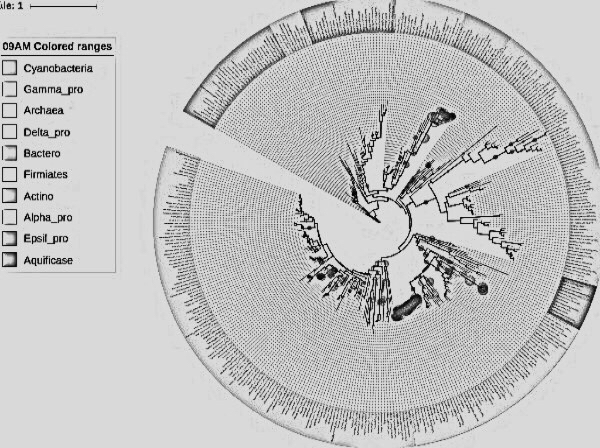
To investigate, the team collected a natural microbial community from a coastal meromictic pond and grew it in chemostats, laboratory systems where fresh medium continuously enters while culture is removed. By increasing bioreactor turnover rates from 0.1 to 10 per day, they created conditions that increasingly favored faster-growing organisms. Community composition was tracked using 16S rRNA gene sequencing and compared with trait-based ecosystem models.
The key finding emerged when experimental results were compared with two model scenarios. One assumed growth-rate traits were evenly distributed across the community, while the other assumed that most organisms were slow growers. The observations closely matched the second scenario, indicating that natural communities are heavily weighted toward microbes with low maximum growth rates.
The findings support the idea that many microbial ecosystems are dominated by organisms adapted for persistence rather than rapid reproduction. In nutrient-poor environments, efficiency and survival may matter more than the ability to capitalize on brief periods of abundance.
Beyond this ecological insight, the study has implications for ecosystem modeling. Trait-based models are increasingly used to predict how microbial communities respond to environmental change, and the results of this study show that model outcomes depend strongly on assumptions about the distribution of traits in nature. Accurately representing the prevalence of slow-growing microbes may therefore be critical for predicting ecosystem responses to changing conditions.
Publication:
Ashley N. Bulseco, Wenzhuo Yang, Julie A. Huber, Joseph J. Vallino (2026), Growth characteristics of natural microbial populations are skewed toward bacteria with low specific growth rates, Microbiology Spectrum, doi: 10.1128/spectrum.02193-26